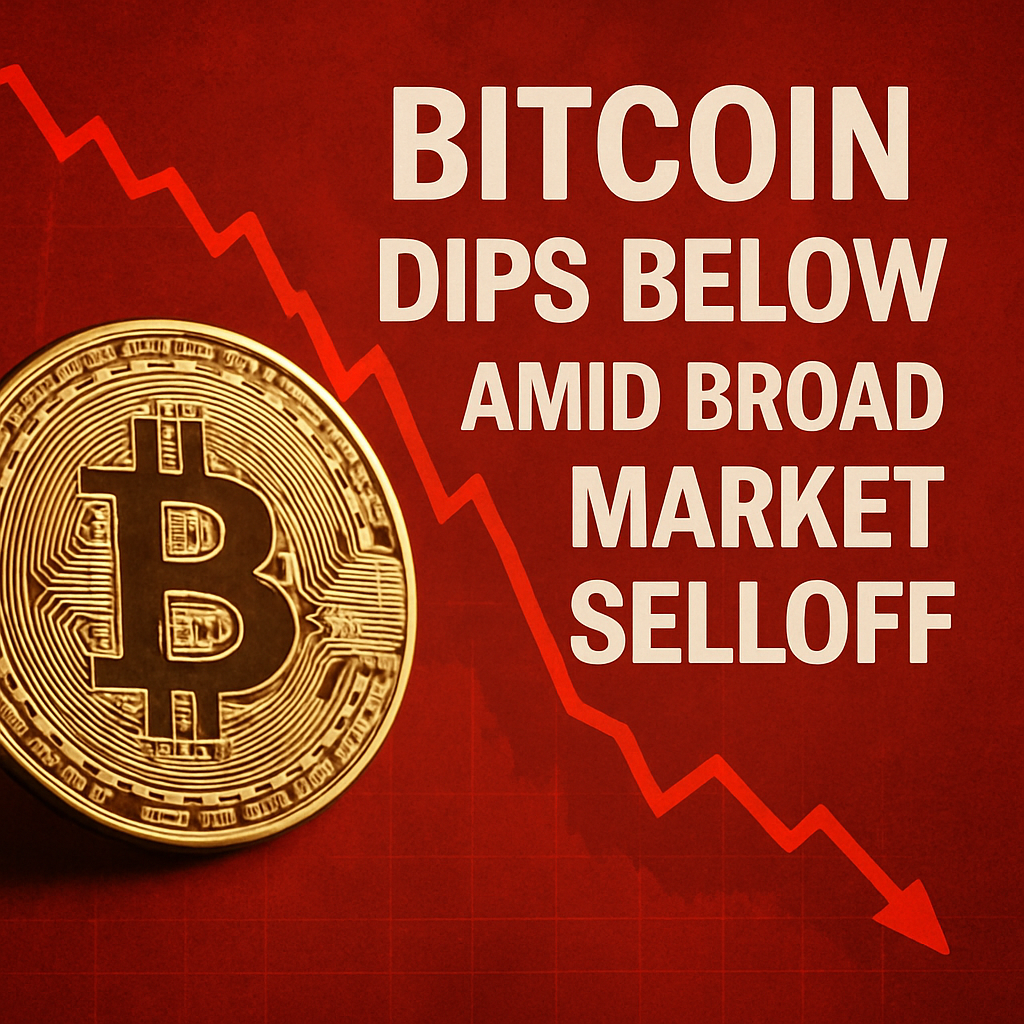
Bitcoin prices fell sharply on Tuesday, briefly dipping beneath the $90,000 mark to reach levels not seen since early January. The downturn unfolded as investors retreated from risk assets, driving heavy liquidations in equity markets and sending yields on long-dated U.S. Treasuries lower. Asian trading on Wednesday saw bitcoin stabilize near $88,900, but the broader trend remained negative amid persistent geopolitical and trade-policy uncertainties.
Global markets were rattled by renewed tariff threats between the U.S. and major trade partners, exacerbating concerns over an extended slowdown in growth. Japanese government bond yields experienced a sudden surge after the ruling coalition proposed tax cuts, fueling a selloff that rippled into credit and equity markets worldwide. Investors flocked to traditional safe havens, with gold rising above $4,700 an ounce, while cryptocurrencies bore the brunt of the risk-off mood.
The selloff in bitcoin was particularly acute in cryptocurrency futures and derivatives markets. Bitcoin open interest on major exchanges declined by 5% as long-position holders exited to stem further losses. Over $1 billion of leveraged long positions were liquidated across multiple platforms, underscoring the fragility of sentiment at elevated price levels. While some traders viewed the dip as a buying opportunity, technical indicators suggested a deeper correction could be underway.
Ethereum and other major altcoins fared worse, with ether slipping past the $3,000 support and declining over 7% in 24 hours. The cumulative crypto market capitalization dropped below $2.9 trillion, erasing nearly $150 billion of value in two days. Despite the pullback, institutional interest remained intact. Several large corporate treasury managers continued accumulating bitcoin through equity wrappers and over-the-counter purchases, anticipating a long-term recovery.
Looking ahead, market participants will focus on the U.S. Federal Reserve’s policy signals and upcoming economic data releases. Inflation readings and consumer confidence indicators later this week may influence the Fed’s rate outlook, with any dovish tilt potentially providing relief for risk assets, including cryptocurrencies. However, elevated volatility and geopolitical risk could keep pressure on bitcoin until broader market risk appetite returns.
Comments (0)