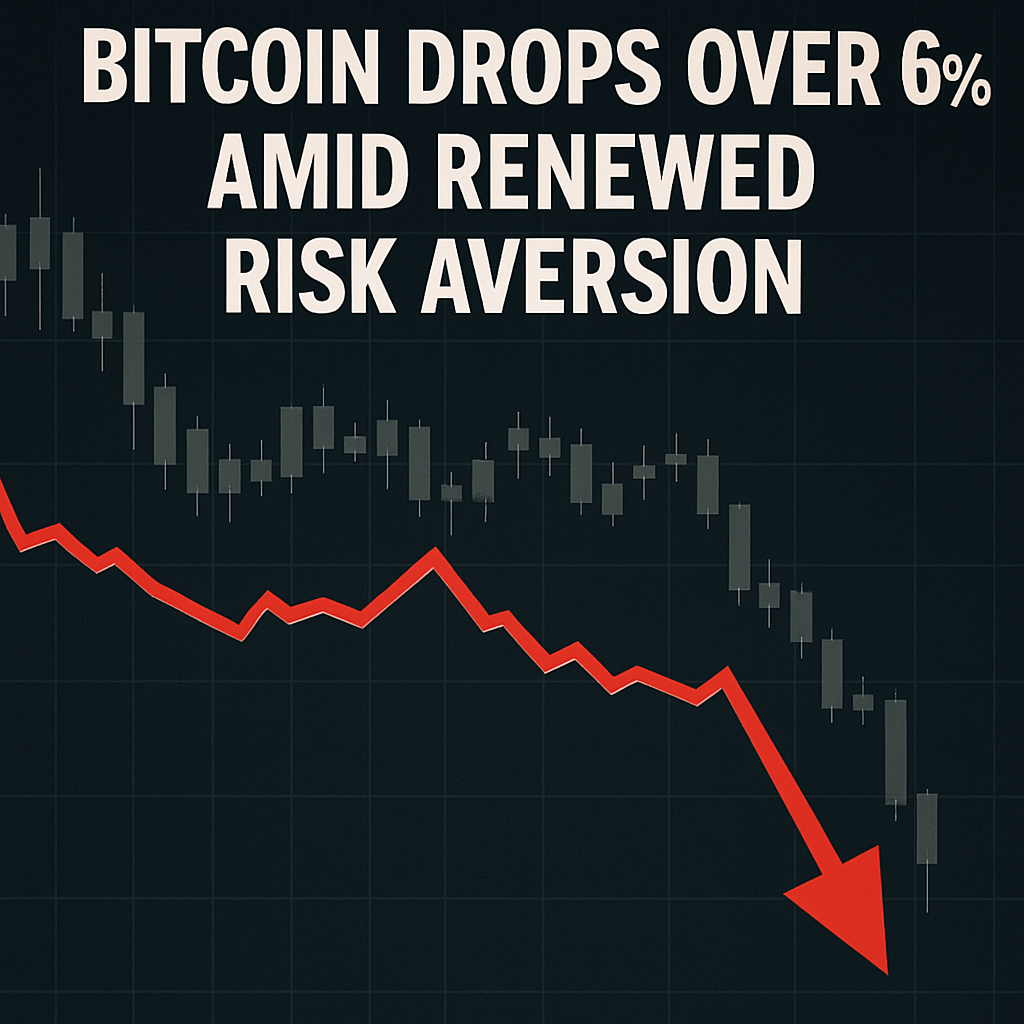
Bitcoin registered a significant decline on December 1, 2025, sliding below the $90,000 mark for the first time since late November amid a broad market sell-off and heightened risk-off sentiment. By 1120 GMT, the cryptocurrency traded at $86,461, down over 5% from its opening level and marking its largest one-day drop in a month. Analysts connected the decline to persistent volatility and an uptick in correlation between digital assets and traditional equities, suggesting capital rotated toward lower-risk instruments.
Market data indicated that Bitcoin shed more than $18,000 in value during November, representing its largest monthly dollar loss since May 2021. Record outflows from US spot Bitcoin ETFs reached $3.43 billion for November, according to LSEG data, highlighting investor reluctance to deploy fresh capital into the sector despite historical seasonality trends favoring December gains averaging 9.7%. The combination of ETF redemptions and broader market uncertainty underscored ongoing challenges for digital asset inflows.
S&P Global’s recent downgrade of Tether, citing elevated high-risk assets in reserves and transparency gaps, amplified bearish sentiment in cryptocurrencies. Tether’s market share of stablecoins remained substantial, but concerns over reserve quality prompted some market participants to reduce exposure to digital assets pegged to US dollars. The downgrade prompted a wave of selling that rippled through the broader crypto ecosystem, tightening funding conditions and pressuring bitfinex and other major platforms.
Strategy’s CEO Phong Le commented on a public podcast that the firm would consider liquidating Bitcoin holdings if the enterprise value to Bitcoin holding ratio fell below 1. After a 60% slide in Strategy shares over the past year versus a 13% Bitcoin decline, the metric hovered near 1.19, raising the prospect of further corporate sell-side pressure should equity valuations continue to underperform. Shares in MicroStrategy, Coinbase, Riot Platforms and MARA Holdings all fell 3–4% in premarket trading.
Ether, the second-largest cryptocurrency by market capitalization, suffered a near 6% drop to $2,845, extending a 22% loss for November—the worst November performance since February 2021’s 32% plunge. CME Ether futures displayed widening backwardation, reflecting investor hesitancy toward long-term bullish bets amid heightened macro uncertainty and a general pullback in speculative assets.
Futures markets signaled growing bearishness, with three-month Bitcoin futures trading at the narrowest premium to front-month futures in over a year. Margin funding rates across major exchanges rose sharply, indicating fewer arbitrageurs willing to take on long positions under prevailing risk conditions. Bitcoin’s newfound sensitivity to equity volatility and bond yield fluctuations marked a departure from the narrative of digital gold status and underscored its role as a high-beta risk asset.
Historical seasonality offered limited solace. December typically ranks as the third-best month for Bitcoin performance, yet the convergence of ETF outflows, stablecoin concerns and corporate de-risking set a cautious tone for year-end price action. Investors awaited key macro events, including the upcoming US Federal Reserve meeting and data releases, to gauge potential drivers for renewed market momentum or further downside risk.
The technical outlook suggested immediate support at $85,000, followed by $80,553—the eight-month low reached in late November—while resistance lay at $91,000. Market participants eyed volume trends for confirmation of any trend reversal, with a return above $90,000 likely to attract dip buyers seeking a seasonal rally. Until then, elevated uncertainty and cross-asset correlations appeared poised to dictate short-term price trajectories in the crypto market.
Comments (0)