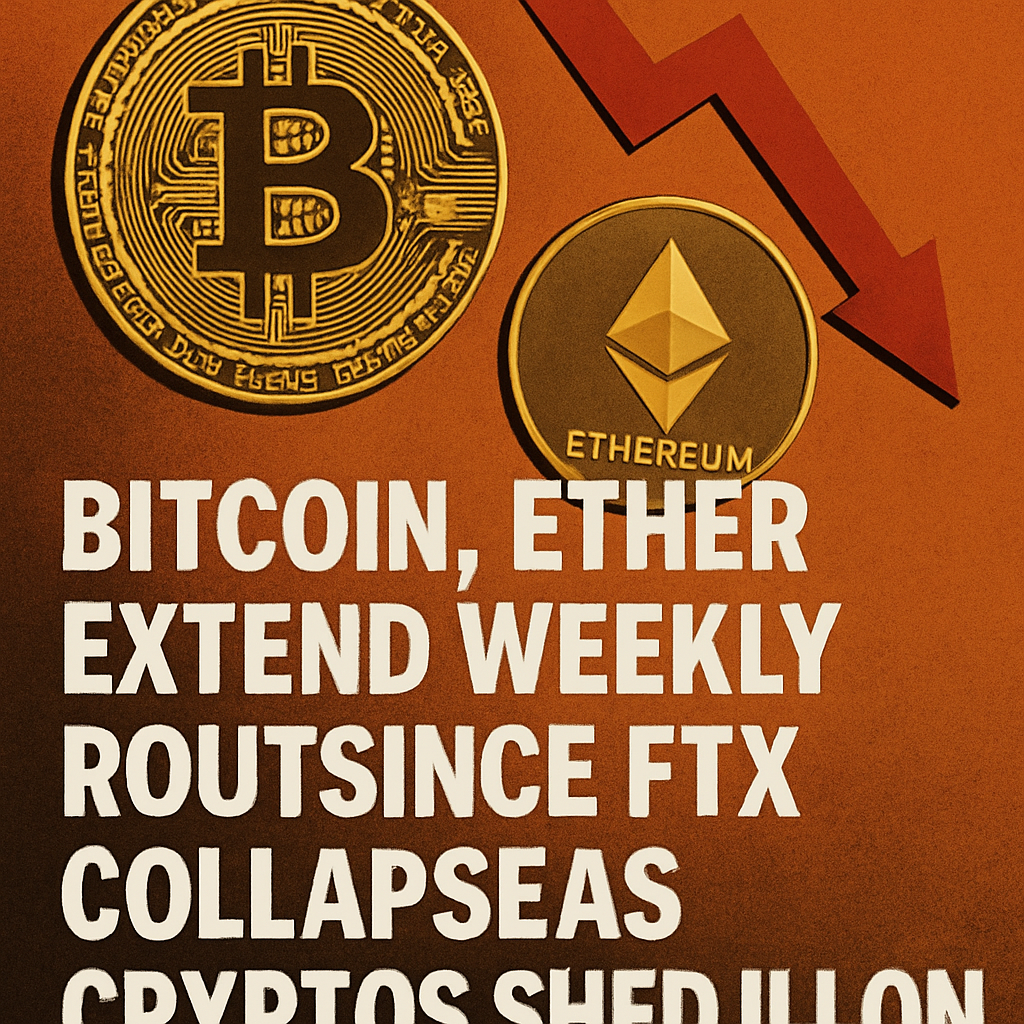
A brutal decline unfolded in cryptocurrency markets over the past week as bitcoin (BTC) and ether (ETH) suffered losses of 17.3% and 22% respectively, marking their steepest weekly drop since the November 2022 collapse of FTX. The combined market capitalization of digital assets contracted by approximately $390 billion, leaving total market value nearer to $2 trillion. According to TradingView data, the downturn erased more than half of October’s record $4.2 trillion peak.
The sell-off was driven by a confluence of factors. Strategy’s rare sale of 32 bitcoin worth roughly $2.5 million rattled investors accustomed to viewing the company as a perpetual demand source. Meanwhile, spot bitcoin exchange-traded funds recorded outflows totaling $325.7 million on June 5, extending a 13-day streak. Research by K33 Research head Vetle Lunde indicates that some investors rotated capital from crypto into artificial intelligence equities, citing the opportunity cost of holding digital assets amid skyrocketing AI stock valuations.
Crypto derivatives markets also reeled, with leveraged positions liquidating heavily. Data from CoinGlass reveals that nearly $7 billion in leveraged long and short positions were forcibly closed, the largest such wipeout of the year. Monday and Friday delivered the most severe liquidation events, accounting for a combined $5.7 billion in defunct bullish bets. The shockwaves rippled through blockchain protocols and decentralized finance platforms reliant on leverage.
Traditional finance headwinds compounded selling pressure. A stronger-than-expected U.S. nonfarm payroll report forced a reassessment of Federal Reserve policy, raising the likelihood of further rate increases. Treasury yields jumped, while equity markets, led by the Nasdaq 100, endured one of their worst sessions since April 2025. Investors recalibrated risk allocations, reducing exposure to nascent digital assets in favor of established macroeconomic assets.
Market participants continue to monitor whether this week’s collapse signals capitulation or a deeper bearish trend. Some technical analysts observe oversold conditions on multiday charts, suggesting a potential relief rally could emerge if macro factors stabilize. However, lingering uncertainties—including inflation dynamics, geopolitical tensions and continued competition for capital from high-growth sectors—remain potential impediments to sustained recovery.
Looking ahead, analysts emphasize catalysts that could reshape sentiment. Upcoming U.S. consumer price index data, next weekly ETF flow reports and development updates on blockchain scalability protocols will influence short-term trajectory. While long-term proponents view the drawdown as a buying opportunity, the near-term outlook depends on whether broader financial markets can absorb the shock without inflicting further losses on digital assets.
.
Comments (0)