Regulatory Framework
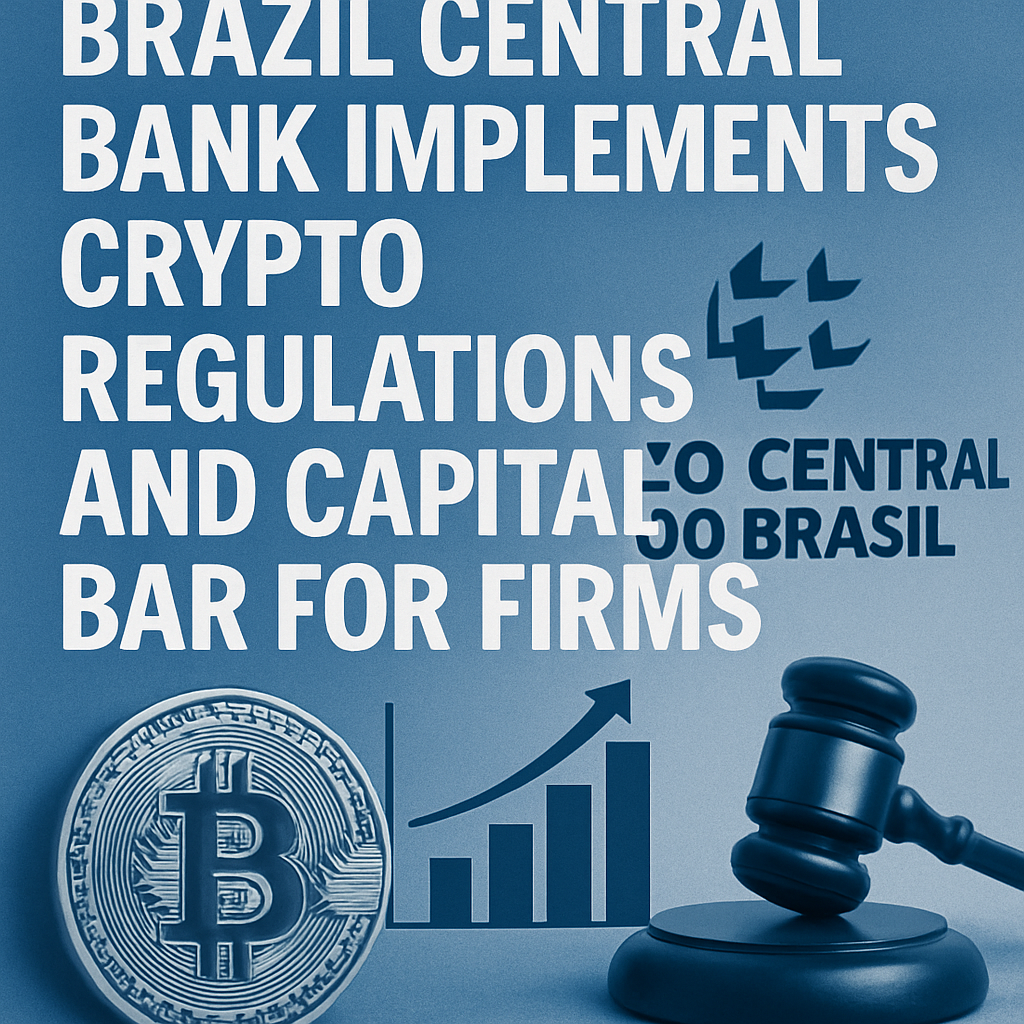
On Nov. 11, 2025, the Central Bank of Brazil unveiled its most extensive set of regulations for digital asset service providers in the country’s history. The framework introduces a formal licensing regime for Virtual Asset Service Providers (VASPs) under three distinct categories—intermediaries, custodians and brokerages—each subject to specific operational and capital requirements. The rules, published in three interlocking resolutions, aim to integrate crypto activities into Brazil’s existing foreign exchange and capital markets law.
Key Provisions
- Licensing: All VASPs must obtain authorization from the central bank to operate within Brazil, including foreign firms serving local clients.
- Capital Requirements: Minimum capital thresholds range from 10.8 million reais ($2 million) for basic service providers up to 37.2 million reais for entities offering a broader scope of services.
- Transaction Reporting: Firms must report international crypto transactions exceeding $100,000 per cycle and submit monthly disclosures detailing counterparty and asset information.
- Compliance Timeline: The regulations take effect on Feb. 2, 2026, and existing entities have nine months to achieve full compliance or face operational suspension.
Enforcement and Penalties
Failed compliance may result in fines, license revocation or a ban on providing services in the Brazilian market. The central bank has signaled a willingness to enforce the rules strictly, citing anti-money laundering obligations and consumer protection as guiding principles. Foreign VASPs must establish a local legal entity and transfer relevant operations under this structure to remain in good standing.
Industry Response
Industry stakeholders have offered mixed reactions. Bernardo Srur, president of the Brazilian Association of Cryptoeconomy (ABCripto), described the framework as “positive and necessary” yet criticized both the capital bar and the abbreviated compliance window as potential barriers for smaller firms. Some banks have expressed concern about operational costs, while others view the rules as an opportunity to expand regulated crypto offerings.
Macro Implications
By bringing cryptocurrency services under its regulatory umbrella, Brazil’s central bank aims to reduce illicit finance risks and align digital assets with the country’s balance of payments reporting. Officials hope the framework will foster innovation while maintaining financial stability, positioning Brazil as a regional leader in regulated crypto markets.
Global Context
Brazil’s move mirrors global trends toward formal oversight of digital assets under frameworks such as the EU’s MiCA and Singapore’s Payment Services Act. As governments worldwide seek to balance innovation with risk management, Brazil’s structured approach may serve as a blueprint for other emerging markets evaluating crypto regulation.
Comments (0)