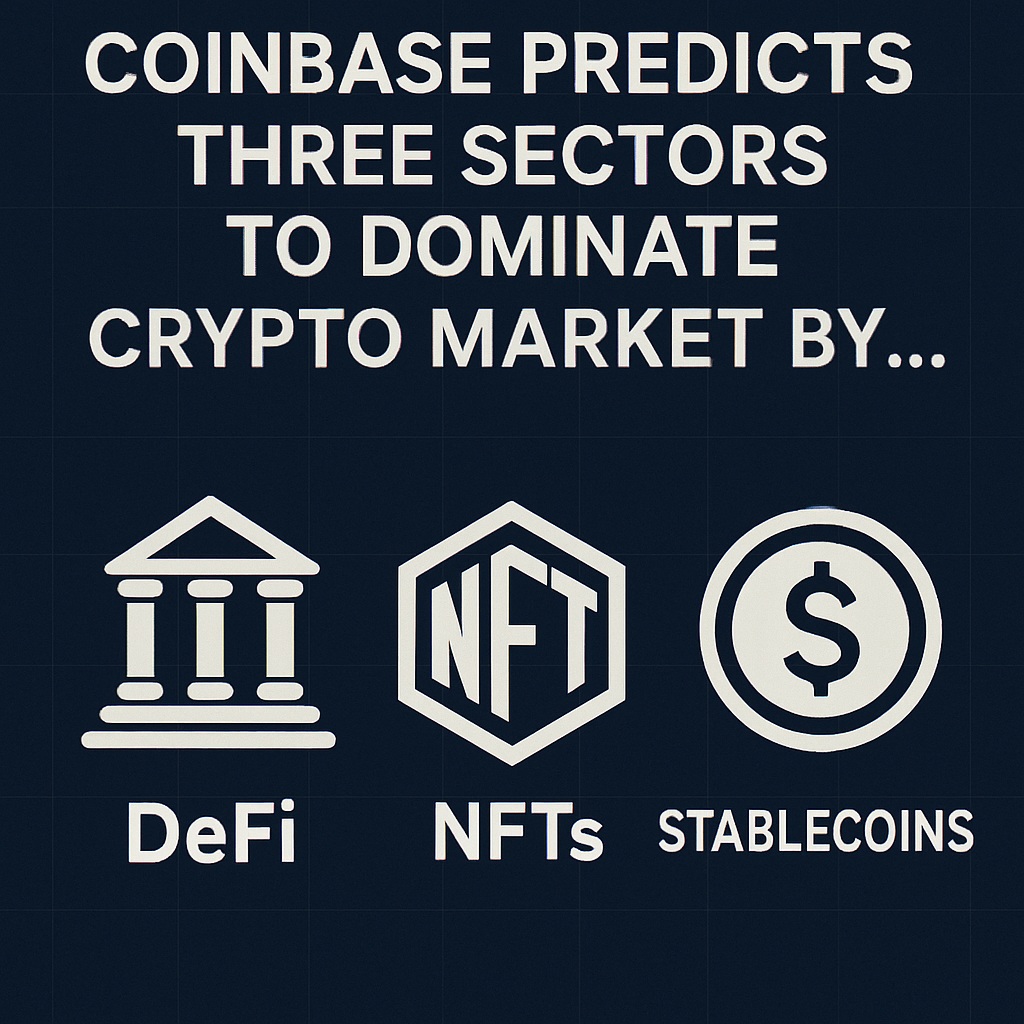
Coinbase Institutional published its outlook for 2026, identifying three core pillars set to shape the cryptocurrency landscape in the coming year. The report emphasizes that perpetual futures will assume a central role, representing the majority of trading volume on leading platforms. This evolution signals a shift from retail-driven price dynamics to a more resilient derivatives market, underpinned by stricter margin practices and advanced risk controls that can better absorb shocks in volatile conditions.
Prediction markets are highlighted as the second pillar, transitioning from niche experiments to durable financial infrastructure. Increased notional volumes and deeper liquidity across platforms underscore growing institutional interest, with aggregation and efficiency gains emerging as key competitive advantages. As regulatory clarity improves, these markets are expected to draw sophisticated participants, leveraging on-chain settlement and transparency to offer novel tools for information discovery and risk transfer.
The third critical area is stablecoins and payments, described as the most persistent source of on-chain utility. Stablecoin transaction volumes are forecasted to rise through cross-border remittances, merchant settlement, and liquidity management use cases rather than pure speculative flows. Integration with emerging AI-driven automated trading strategies and settlement rails will further cement their role as foundational infrastructure in digital finance.
Structural reset themes also appear throughout the report. Following a series of liquidation events and reduced speculative leverage in late 2025, markets are expected to operate on a leaner basis, with improved resilience against cascading forced unwinds. Coinbase sees tighter funding conditions and more disciplined leverage practices as positive developments that will underwrite a healthier market environment.
Perpetual futures dominance is projected to reshape price formation mechanics, making funding rates and positioning metrics critical indicators for traders and risk managers. Meanwhile, prediction markets will leverage interoperability protocols to link fragmented liquidity pools, accelerating a network effect that drives adoption among institutions seeking alternative sources of alpha.
Stablecoins, fueled by regulatory frameworks in major jurisdictions, will penetrate traditional payment corridors. Real-world fiat on-ramps and off-ramps will integrate blockchain rails seamlessly with legacy systems, enabling scaled corporate treasury and consumer remittance applications. These developments support a narrative in which blockchain payments evolve from an emerging use case into a mainstream enterprise utility.
Coinbase Institutional underscores the importance of infrastructure providers adapting to these trends. Platforms offering integrated derivatives, prediction, and payment services stand to capture significant market share as client demand coalesces around full-stack offerings. The report encourages stakeholders to prioritize interoperability, low latency, and regulatory compliance as cornerstones of product development.
Looking ahead, the report warns that market participants must remain vigilant. As institutional flows shift to structured products, traditional retail momentum may decouple from on-chain metrics, leading to periods of range-bound trading despite strong long-term fundamentals. Strategic positioning in the three identified pillars will grant investors exposure to the most durable market trends.
In conclusion, Coinbase Institutional’s 2026 outlook paints a picture of an industry maturing into deeper, more resilient markets. With perpetual futures, prediction markets, and stablecoins at the core, the next phase of crypto evolution appears focused on sustainable infrastructure and real-world utility, marking a departure from pure speculation toward institutional-grade frameworks.
Full details and data visualizations are available in the report, which includes commentary on funding rate trends, on-chain analytics, and regulatory frameworks shaping each pillar. Industry participants are encouraged to review the methodology and supporting materials to align strategies with the forecasted themes for 2026.
Comments (0)