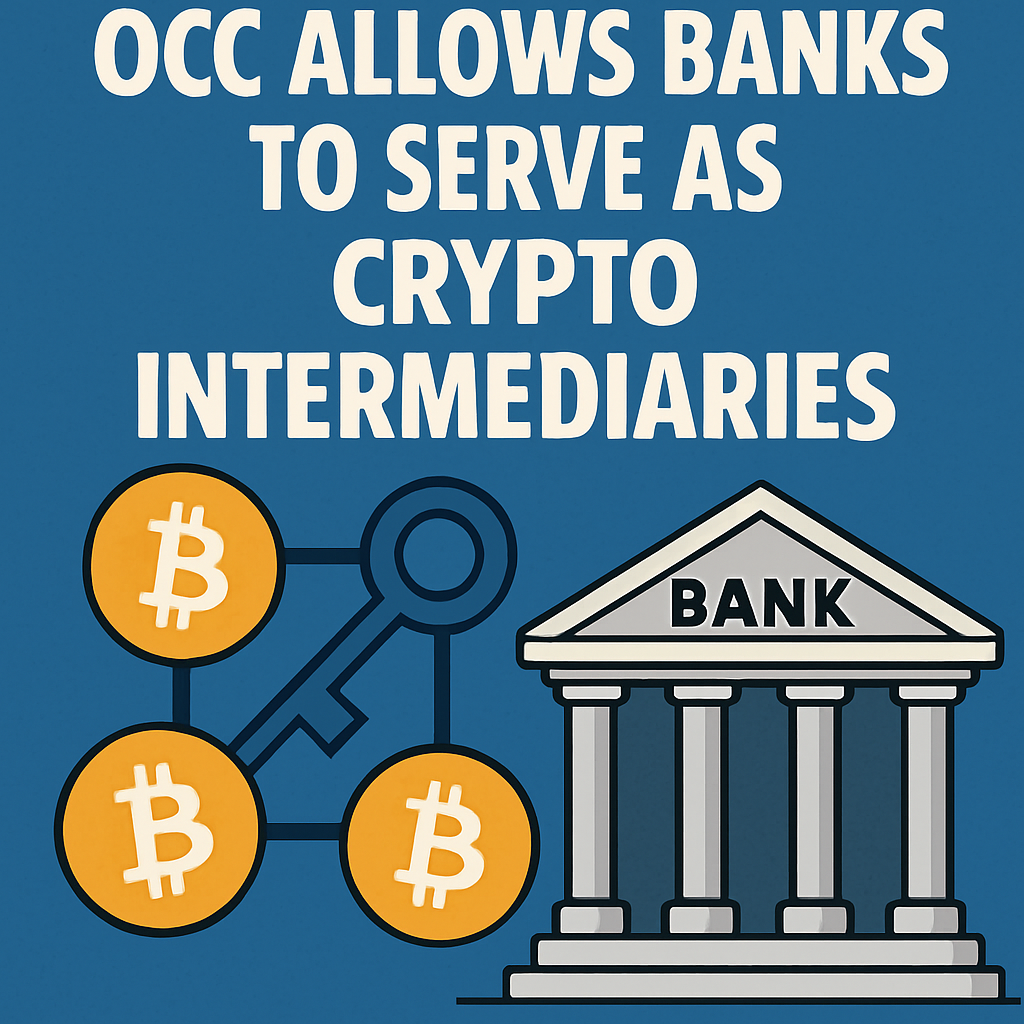
On December 9, 2025, the Office of the Comptroller of the Currency issued interpretive guidance enabling national banks to engage in riskless principal crypto transactions. Under the new rules, banks may broker crypto trades between counterparties without holding assets on their balance sheets except in limited instances. The move represents a deregulatory shift by the OCC aimed at integrating traditional banking with digital asset services.
The guidance rescinds earlier requirements that firms obtain prior supervisory approval for crypto-related activities. Banks can now offer custody, settlement, and agency services for cryptocurrencies, subject to existing safety and soundness standards. The OCC emphasized that banks must manage operational, liquidity, and compliance risks associated with facilitating trades in volatile digital assets.
Proponents hail the decision as a milestone for mainstream adoption, reducing friction for clients seeking access to digital assets through established banking channels. Institutional investors may benefit from on-ramps provided by regulated banks, boosting market liquidity. Banks can leverage existing risk management frameworks to oversee crypto exposures.
Critics warn that intertwining banks with speculative markets could amplify systemic vulnerabilities. A sudden crypto downturn might transmit losses to traditional finance, challenging deposit insurance and capital adequacy models. Observers note parallels to past crises where asset correlations undermined risk isolation between sectors.
Market reactions were muted, with Bitcoin trading in a narrow range following the announcement. Banking stocks with prior pilot crypto programs saw small gains. Legal experts caution that further regulatory clarity from the Securities and Exchange Commission will be needed to define the securities versus commodities landscape for digital tokens.
The OCC guidance sets a precedent for other banking regulators globally. Its impact will depend on banks’ appetite to expand crypto services and the broader market’s response to increased institutional participation. Stakeholders will monitor initial bank-led crypto offerings and assess operational resilience under live trading conditions.
Comments (0)