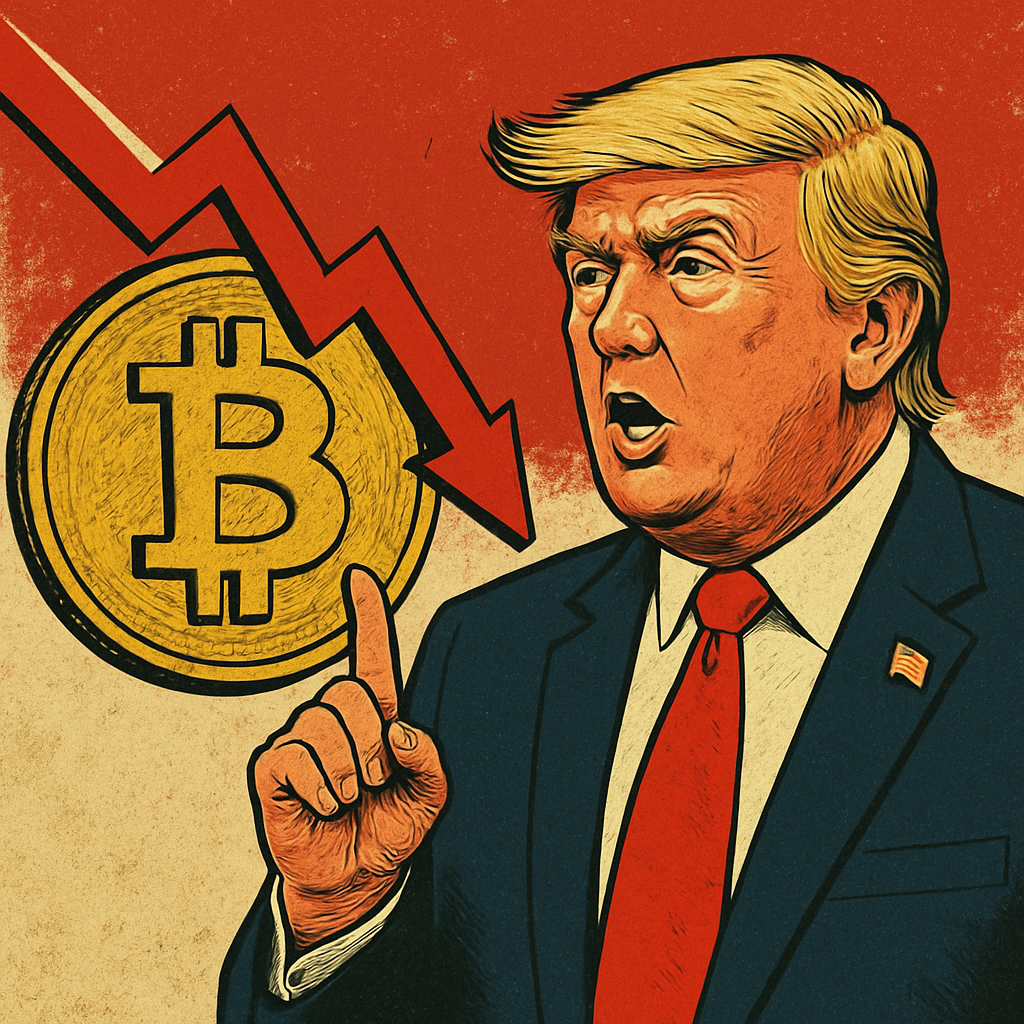
In the year since President Donald Trump’s return to the White House, U.S. crypto policy has undergone a dramatic transformation. An initial flurry of executive orders signaled a more welcoming stance toward digital assets, marking a shift from an enforcement-driven approach to one aimed at industry leadership.
Within weeks of inauguration, agencies were directed to develop frameworks for regulated stablecoin issuance, with the Guidance and Establishing National Innovation for U.S. Stablecoins (GENIUS) Act becoming the first major crypto law to pass both chambers of Congress. This legislation established stringent reserve requirements, auditing standards, and a dual federal-state supervisory regime to protect consumers while fostering innovation.
Simultaneously, a proposal to create a Strategic Bitcoin Reserve sought to position the U.S. as a global hub for institutional digital asset holdings. Despite ambitious timelines, the reserve project remained in planning stages, illustrating the gap between policy ambitions and implementation realities within a fragmented legislative calendar.
Major regulatory appointments further reinforced a pro-crypto outlook. Leaders with experience in digital asset markets assumed top roles at the Securities and Exchange Commission and the Office of the Comptroller of the Currency, pledging concrete rule proposals to replace years of litigation-driven enforcement.
Yet, this policy momentum collided with an unprecedented government shutdown that paused key oversight functions and delayed rulemakings. Lawmakers and regulators found themselves grappling with furloughs just as crucial comment periods and drafting deadlines approached, undercutting expectations for fast-tracked guidance.
Despite these obstacles, the crypto industry reported increased on-shore investment and operational expansions. Companies cited greater regulatory clarity for embedding digital assets into core services and launching tokenization pilots with federal support. However, the stalled market-structure bill remains a critical missing piece for broader crypto market reforms, with bipartisan efforts on hold until federal operations resume.
This tumultuous period reflects both the promise and perils of rapid policy change. As the administration enters its second year, stakeholders anticipate whether the pro-crypto infrastructure laid out in executive directives will translate into durable rules and whether Congress can complete the market-structure agenda before midterm pressures intensify.
.
Comments (0)