Incident Overview
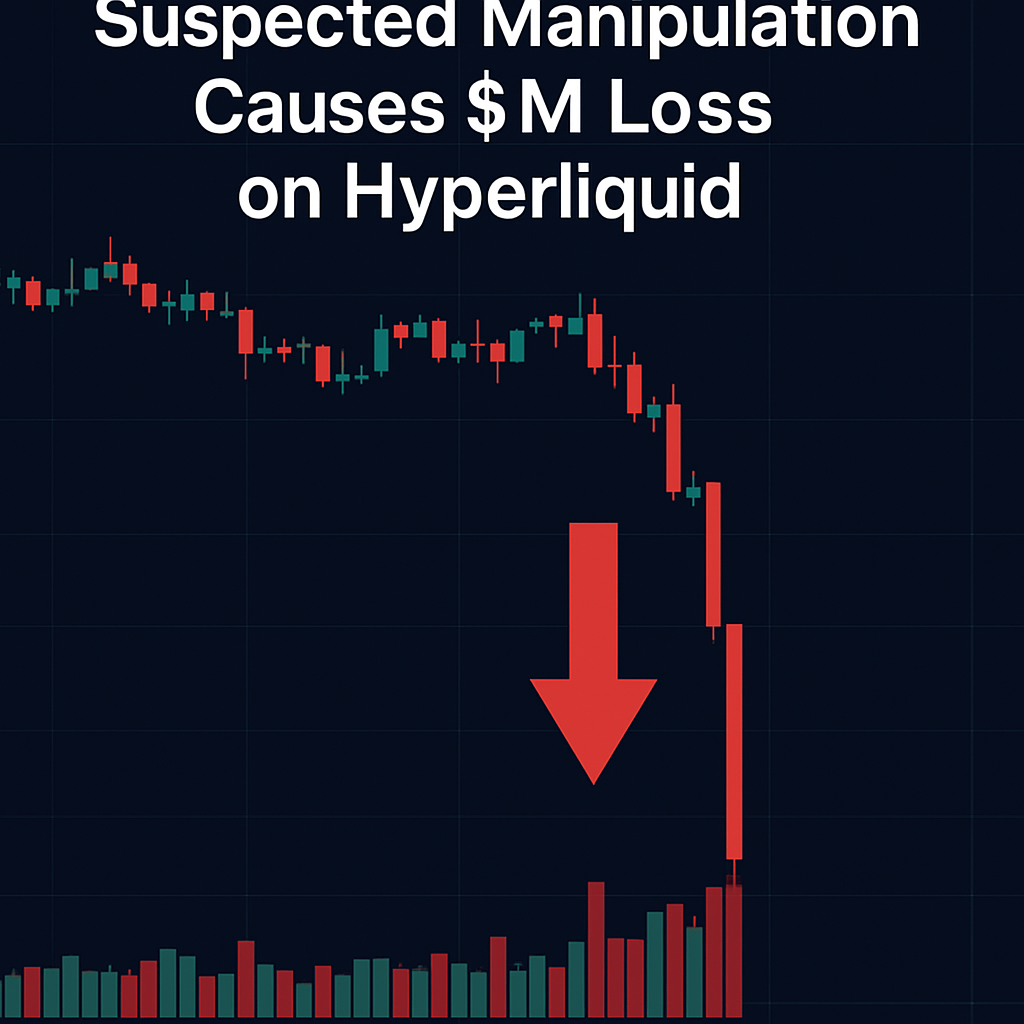
A suspected $30 million manipulation event occurred on the Hyperliquid exchange when an unidentified trader withdrew 3 million USDC from a major spot venue and dispersed it across 19 unique addresses. The orchestrated action involved the construction of a substantial buy wall targeting the new $POPCAT token at a price near $0.21. Upon the removal of the large bid, margin positions were liquidated en masse, forcing adverse price moves and triggering unexpected network strain.
Mechanics of the Attack
The manipulation strategy relied on deceptive depth creation. Initial accumulation of orders attracted derivative traders who opened large long positions with leverage. Once the target zone was approached, order cancellations occurred simultaneously, causing abrupt price reversals. Exchange data indicates that the subsequent cascade liquidations consumed nearly all collateral of the attacker’s positions. The protocol’s automated risk engine absorbed approximately $4.9 million in uncovered losses, reflecting negative spillover to the liquidity pool.
Exchange Response
Hyperliquid’s risk team initiated emergency protocols by pausing the Arbitrum bridge, effectively halting deposit and withdrawal operations to prevent further contagion. The exchange deployed additional collateral reserves and instituted a temporary trading halt on the affected token. A formal incident report was published, detailing preliminary findings and outlining steps toward a full audit. Users were advised to secure positions and update withdrawal addresses as systems underwent forensic analysis.
Industry Context
This event marks the third significant liquidity breach on Hyperliquid within the current fiscal year. Prior incidents involved smart contract vulnerabilities and third-party oracle failures. The recurrence of manipulation attacks underscores persistent challenges in specialized derivatives venues. Industry stakeholders have renewed calls for enhanced surveillance, improved liquidity monitoring tools, and broader implementation of automated circuit breakers to mitigate sudden market dislocations.
Risk Management and Outlook
Market participants are urged to reassess leverage usage and monitor open interest metrics closely. Exchanges are anticipated to refine margin algorithms and increase stress test frequency. Regulatory bodies may examine the incident as part of ongoing evaluations of digital asset trading safeguards. Future resilience will depend on cross-platform collaboration, transparent incident disclosure, and adoption of advanced anomaly detection systems to thwart coordinated manipulative schemes.
Comments (0)