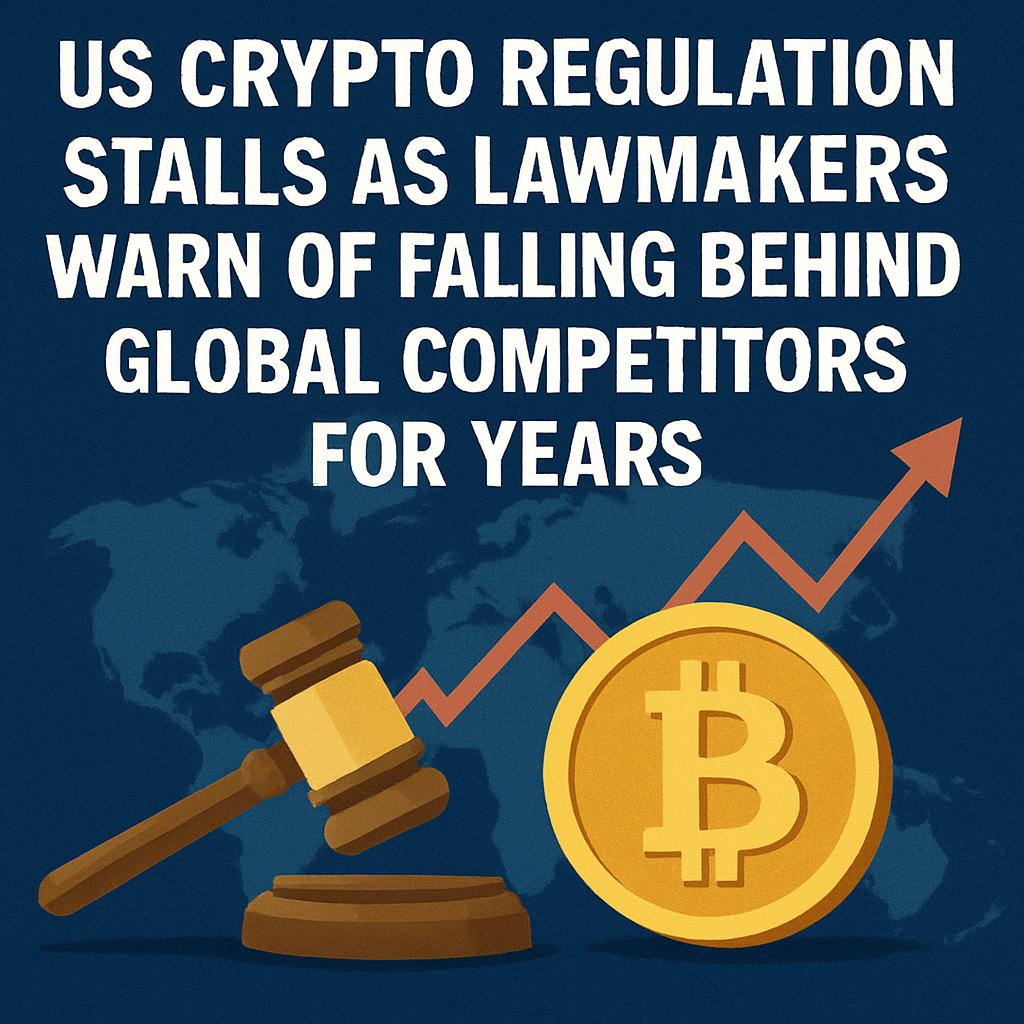
On January 19, 2026 at 5:27 p.m. EST, the Senate Banking Committee announced the cancellation of a scheduled hearing intended to mark up a comprehensive crypto marketplace regulatory bill. This session had been under development for nearly two years, involving extensive consultations with industry stakeholders, consumer advocates and regulatory agencies. The abrupt postponement was attributed to a lack of consensus on key provisions governing stablecoins, broker-dealer registration requirements and consumer protections.
Senator Cynthia Lummis (R-Wyoming), a leading advocate for clear crypto rules, described the delay as “a blow to American innovation and leadership.” She warned that without a timely legislative framework, the United States could fall behind jurisdictions in Europe and Asia that have been moving forward with digital asset regulations. Lummis emphasized that the US must establish certainty to support technological development, protect consumers and maintain competitiveness in global financial markets.
Industry response was swift, with Coinbase CEO Brian Armstrong stating on social media that the current draft “would be materially worse for customers than no bill at all,” citing burdensome compliance costs and ambiguous definitions. Armstrong’s comments underscored the risk that onerous requirements could drive innovation and capital offshore. Other major exchange executives echoed these concerns, advocating for a balanced approach that fosters growth while addressing systemic risks.
Critics within the banking sector expressed reservations about the treatment of stablecoins, arguing that differential rules could expose depositors to undue risk and undermine traditional banking models. Senator Bernie Moreno (R-Ohio) highlighted tensions between stability and innovation, calling for a “status quo” interim period to align regulations with technological advancements. Democrats, meanwhile, raised policy considerations related to anti-money laundering (AML) standards and investor education requirements.
The veto of the markup session resets the legislative timetable, with expectations that the committee will reconvene in the first quarter of 2026. Senator Thom Tillis (R-North Carolina), who chairs the Banking Committee, indicated that bipartisan efforts would continue but acknowledged that the compressed congressional calendar ahead of midterm elections poses scheduling challenges. Senator Lummis’s anticipated retirement in late 2026 further compresses the window for action on her signature issue.
Experts warn that without federal rules, state-level regulations and uneven enforcement actions by the SEC and CFTC will persist, creating a patchwork landscape for crypto service providers. This fragmentation could deter capital formation, complicate compliance and expose consumers to inconsistent protections. Proponents argue that unified federal legislation is essential to harmonize oversight, reduce regulatory arbitrage and bolster market integrity.
Looking ahead, stakeholders anticipate that the White House and regulatory agencies may issue interim guidance or executive actions to fill policy gaps. However, such measures are widely viewed as stopgaps, lacking the permanence and clarity of statutory law. The crypto industry and its advocates remain engaged with lawmakers, emphasizing the need for a workable framework that balances innovation, consumer safeguards and national security interests.
The delay in the crypto bill markup underscores the political and technical complexities of digital asset regulation. As the global race for blockchain innovation intensifies, the United States faces mounting pressure to codify rules that ensure both market dynamism and public trust. Failure to act promptly may cede leadership to international competitors and impede the sector’s capacity to deliver benefits for economic growth and financial inclusion.
Comments (0)