Background
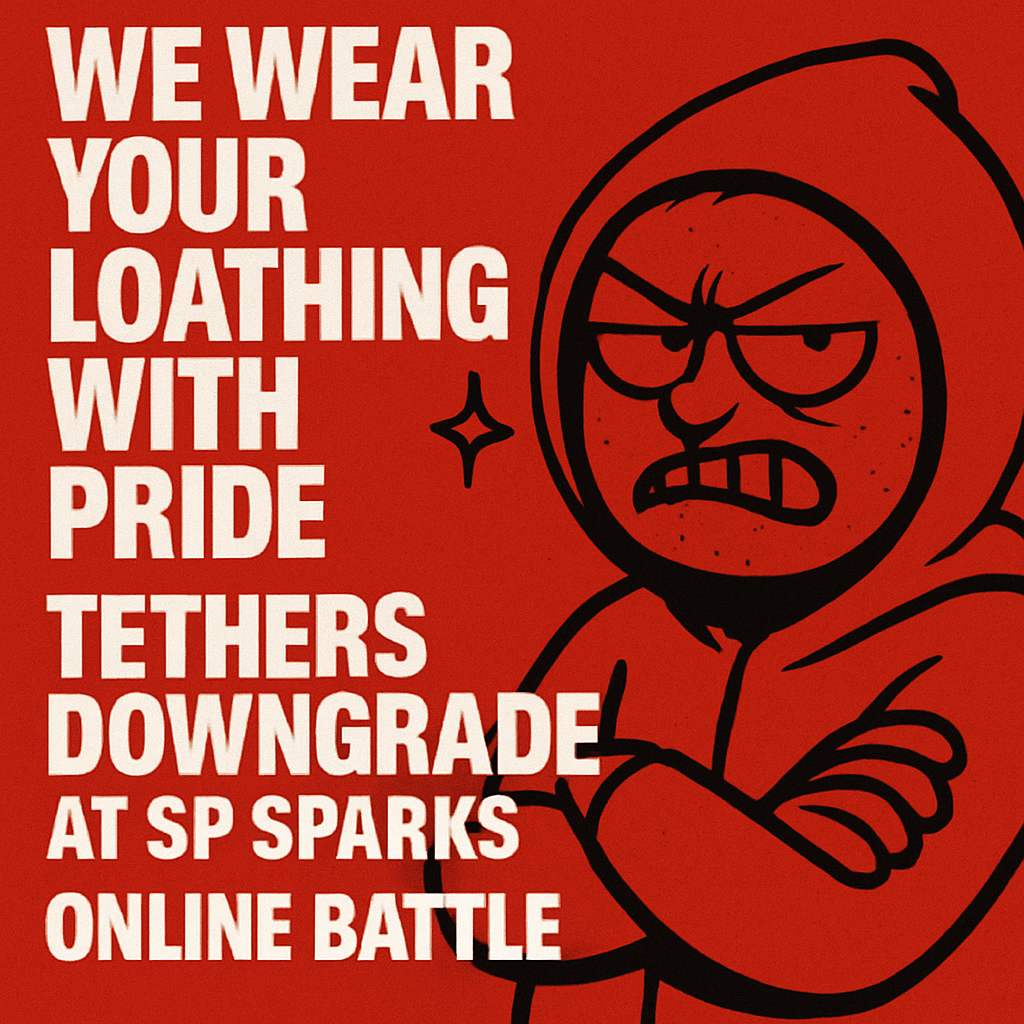
During a typically quiet post-Thanksgiving session, S&P Global released a downgrade of Tether’s USDT stablecoin, cutting its stability rating from 4 to 5—the weakest on the agency’s scale. The decision hinged on two primary concerns: opacity of Tether’s reserve disclosures and the rising proportion of bitcoin backing USDT, which now exceeds 5% of reserves.
Industry Reaction
Tether CEO Paolo Ardoino responded dismissively, stating, “We wear your loathing with pride,” and denouncing traditional finance as resistant to innovation. Ardoino asserted that Tether maintains overcapitalization and transparency through frequent attestations, challenging S&P’s ratings framework.
Debate Over Reserve Composition
S&P’s shift intensified scrutiny of stablecoin collateral models, with critics arguing that digital asset holdings introduce volatility risk not present in conventional treasury instruments. Advocates for stablecoin standardization called for firms to limit bitcoin allocations or enhance disclosure protocols to address ratings agency concerns.
Calls for Audit Reforms
Angel investor Jason Calacanis publicly urged Tether to divest bitcoin reserves, hold only U.S. Treasuries, and secure dual audits from top American firms. Financial blogger Quoth the Raven added pressure, insisting that refusal to pursue full independent audits raises questions about undisclosed liabilities.
Implications for the Stablecoin Market
The downgrade has broader ramifications for market confidence and regulatory oversight. Exchanges and institutional users may reevaluate reliance on USDT amid heightened counterparty risk perceptions. Meanwhile, policymakers monitoring stablecoin stability could cite the S&P action as justification for stricter audit and reserve requirements.
Comments (0)