Binance’s CZ Granted Pardon by U.S. President Trump
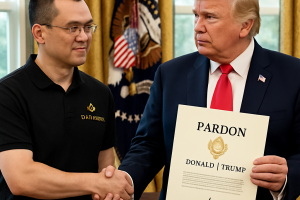
President Donald Trump granted a full pardon to Binance founder Changpeng Zhao, who pleaded guilty to Bank Secrecy Act violations in November 2023. Zhao served a four-month sentence, paid a $50 million fine, and stepped down as CEO under his plea deal. The pardon follows Binance’s record $4.3 billion settlement with U.S. regulators.
Canada’s Fintrac Issues Record $126M Fine to Cryptomus
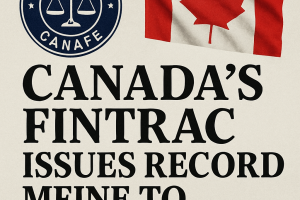
Fintrac fined cryptocurrency platform Cryptomus C$176.96 million ($126 million) for failing to report over 1,000 suspicious transactions tied to various illicit activities. The record penalty addresses violations including fraud, ransomware payments and sanctions evasion. Canada’s regulator cited widespread compliance failures.
APAC's Biggest Stock Exchanges Push Back Against Digital Asset Treasury Strategies
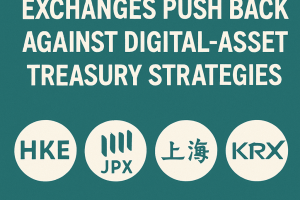
Major Asia-Pacific stock exchanges in Hong Kong, India, and Australia have challenged companies adopting Digital Asset Treasury models. Firms seeking to hold large crypto reserves have faced listing rejections and regulatory pushback, reflecting concerns over market volatility and investor protection. Japan remains an outlier by allowing crypto treasury strategies under existing disclosure rules.
Hong Kong Approves First Solana Spot ETF
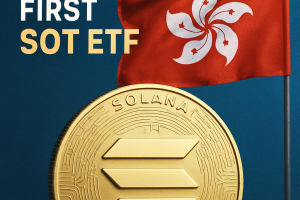
Hong Kong Securities and Futures Commission has approved the first Solana spot ETF, marking Asia’s first such product and the third crypto ETF in the region. The ChinaAMC Solana ETF will begin trading on October 27 in HKD, RMB, and USD. U.S. approval remains pending amid a government shutdown.
SEC says unclear if proposed 3x and 5x leveraged ETFs will be approved
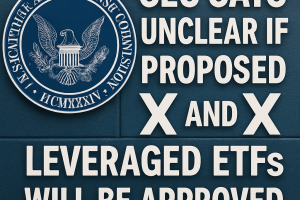
The SEC stated it is unclear whether filings for new 3x and 5x leveraged equity-linked ETFs comply with Rule 18f-4, amid limited review capacity during the US government shutdown. Volatility Shares has filed for 27 leveraged ETF products including the first proposed 5x offering, raising investor risk concerns.
U.S. Takes $14B in Bitcoin in Largest-Ever Government Seizure
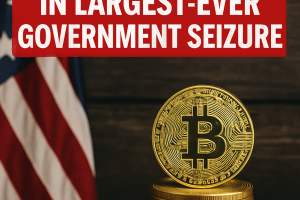
U.S. authorities executed a coordinated action against Cambodian scam operations, indicting Prince Group’s founder and seizing 127,271 BTC (≈$14.4 billion) as part of the DOJ’s largest crypto confiscation, while sanctions cut Huione from U.S. financial markets.
FTC Settles with Voyager Digital for $1.65B as CFTC Charges Former CEO

U.S. FTC reached a $1.65 billion settlement with bankrupt crypto lender Voyager Digital over consumer protection violations. Concurrently, CFTC filed fraud and registration-related charges against ex-CEO Steven Ehrlich. Settlement bars future financial service offerings and mandates payment after creditor compensation in bankruptcy proceedings.
‘Bitcoin Jesus’ Roger Ver Nears U.S. Tax Fraud Settlement
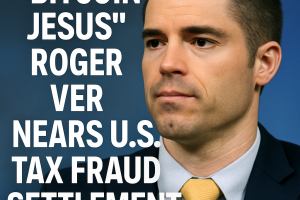
Early Bitcoin investor and advocate Roger Ver is reportedly close to settling U.S. tax fraud charges, according to the New York Times. Under the proposed agreement, Ver would pay approximately $48 million for unreported capital gains. The settlement remains subject to judicial review and is scheduled for a hearing in December.
Senate Democrats’ DeFi Regulation Proposal Sparks Industry Outcry
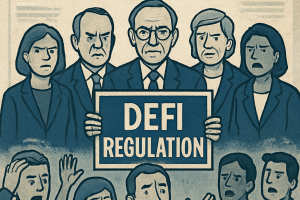
A draft proposal circulated among Senate Democrats would require anyone profiting from a DeFi front-end to register as a broker with the SEC or CFTC, industry leaders warn. Observers say language could effectively ban most DeFi platforms in the US by imposing unworkable compliance burdens. The Blockchain Association and legal experts call for revisions to avoid driving innovation overseas.
North Dakota plans U.S. dollar stablecoin launch with Fiserv partnership
The Bank of North Dakota will issue a state-backed U.S. dollar stablecoin built on Fiserv’s digital asset platform, targeting roll-out in 2026. Dubbed Roughrider Coin, the token aims to streamline interbank transfers and merchant payments. State participation follows the GENIUS Act and Wyoming’s Frontier Stable Token test phase.
Crypto race to tokenize stocks raises investor protection flags
A race by crypto firms to launch tokenized stock products has prompted warnings over insufficient investor rights and market fragmentation. Traditional financial institutions and regulatory experts caution that these tokens lack standard equity protections. Critics argue inconsistent disclosures and derivative-like structures could undermine market stability.
BitGo Secures VARA License Amid Regulatory Crackdown
Digital asset custody firm BitGo has obtained a broker-dealer license from Dubai’s Virtual Assets Regulatory Authority, enabling regulated trading services in the MENA region. The approval follows VARA enforcement actions against 19 firms for unlicensed activity. BitGo’s MENA arm can now serve institutional clients under enhanced compliance standards.
SEC to Formalize Innovation Exemption by Year End
The U.S. Securities and Exchange Commission plans to initiate formal rulemaking for a proposed"innovation exemption" by the end of 2025 or early 2026. The effort remains a priority despite a government shutdown slowing agency work. Chair Paul Atkins reaffirmed commitment at a legal industry panel.
US Shutdown Freezes SEC and Delays Crypto Progress
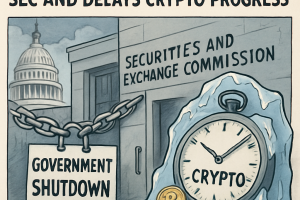
A US government shutdown has halted most SEC operations, including crypto ETF approvals. TD Cowen warns that policy progress will remain stalled until funding is restored. Other agencies like the Fed and FDIC will handle crypto matters during the shutdown.
UK Orders Apple iCloud Backdoor, Poses Crypto Wallet Security Risk
The UK ordered Apple to enable access to encrypted iCloud backups of British users, which may expose cryptocurrency wallet keys to hacking. Experts warn that this backdoor undermines end-to-end encryption and heightens risks of identity theft and fraud.
Coinbase Applies for Federal Trust Charter, Aims to Avoid Bank Status
Coinbase applied for a national trust charter with the U.S. OCC to secure federal oversight. This would enable expansion of payments and settlement services without state-by-state approvals. The company affirmed it will not convert into a full-service bank.
White House Weighing Candidates for Multiple CFTC Spots: Giancarlo

The Trump administration is reportedly near naming a new CFTC chairman nominee after dropping its first pick. Former Chairman Chris Giancarlo said Mike Selig may be considered for a commission slot.
EU risk board urges urgent safeguards for stablecoins
The EU’s financial risk board called for immediate safeguards on stablecoins partly issued outside the bloc, warning that vulnerabilities in multi-issuer schemes could pose liquidity risks and undermine reserve stability. A policy response is needed.
U.S. Senate Hearing Exposes Challenges in Crypto Tax Reporting
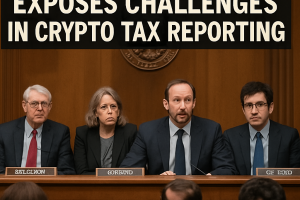
A Senate Finance Committee hearing revealed that major crypto brokers, including Coinbase, are set to submit unprecedented data volumes to the IRS, which may strain agency resources. Executives warned of administrative hurdles and unresolved policy questions around de minimis and staking gains reporting.
Leading Democrat Wyden Continues Probe Into Pantera Founder Morehead’s Taxes
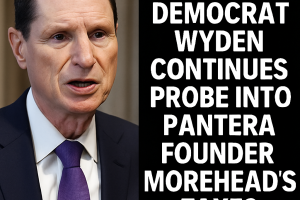
Senator Ron Wyden opened a formal inquiry into whether Pantera Capital’s Dan Morehead misreported over $1 billion in crypto capital gains by claiming Puerto Rico residency. The probe examines if residency status was misrepresented to exploit tax incentives. The inquiry follows press reports suggesting potential avoidance of U.S. taxes on substantial gains.
Government Shutdown Impact on Crypto Policy
A potential U.S. government shutdown may delay crypto market structure legislation and regulatory rulemaking. Congressional committees face funding lapses that could push back scheduled hearings. Bipartisan support remains, but short-term delays are expected.
Government Shutdown’s Effects on Crypto Policy and Markets
An impending U.S. government shutdown will delay crypto market structure legislation and stymie regulatory rulemakings but is unlikely to derail long-term policy progress. Agencies like the SEC and CFTC will pause non‐critical initiatives, slowing down hearings and bill markups.
Crypto ETFs to flood US market after SEC streamlines approvals
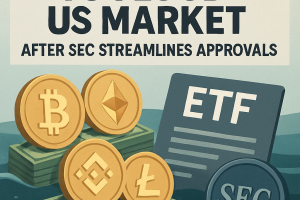
The SEC’s updated ETF listing standards eliminate individual reviews, cutting approval time to 75 days and prompting a rush of filings by U.S. asset managers. Products tied to solana, XRP and other altcoins could debut in early October alongside bitcoin and ethereum ETFs.
Crypto adoption in emerging markets poses risks to financial resilience: Moody's
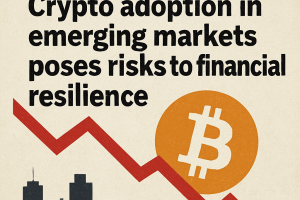
Moody’s Ratings warned that growing cryptocurrency use in emerging markets poses risks to monetary sovereignty and financial resilience. The report highlights that widespread stablecoin adoption can undermine domestic currency pricing and settlement and notes that crypto ownership reached 562 million people by 2024, up 33% from 2023.
KuCoin Faces $14M Canadian Enforcement Action Over AML and Registration Failures
Exchange appealing Canadian enforcement action that resulted in a $14 million penalty for alleged registration lapses and AML control failures. Large-scale regulatory case highlights compliance challenges faced by crypto platforms and potential legal precedents.
SEC Streamlines Crypto ETF Approval Process, Triggering ETF Filing Surge
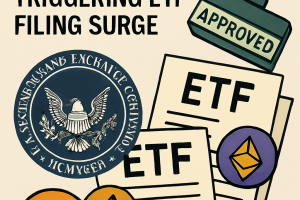
The US Securities and Exchange Commission updated its rules to expedite cryptocurrency ETF approvals, reducing the review timeline from up to 270 days to 75 days. Asset managers have submitted multiple filings for new products tied to coins like Solana and XRP, with expectations that the first ETFs under the streamlined standards will launch in early October. Industry experts predict a significant increase in ETF offerings in the fourth quarter of 2025.
US SEC eyes ‘innovation exemption’ to fast-track digital asset products: Atkins
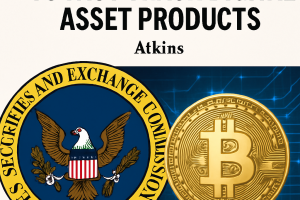
SEC Chair Paul Atkins announced plans to propose an “innovation exemption” to allow cryptocurrency firms to launch new products under a lighter regulatory framework while tailored rules are developed, targeting implementation by year’s end.
Judge denies Justin Sun’s bid to block Bloomberg over crypto holdings

A US district judge denied a request to bar Bloomberg from publishing details of Justin Sun’s cryptocurrency assets, ruling that Sun failed to show confidentiality obligations or risk of harm from the information’s release.
First Chinese CNH Stablecoin Debuts as Global Race Heats Up

AnchorX launched AxCNH, the first regulated stablecoin pegged to offshore Chinese yuan, at the Belt and Road Summit in Hong Kong. South Korean firm BDACS also introduced KRW1, a won-pegged stablecoin. Overcollateralization and regulatory support aim to boost cross-border trade and geopolitical currency influence.
EU Chat Control Law Could Push Users to Decentralized Web3 Platforms

Experts warn the EU’s Chat Control regulation mandating private message scanning breaches confidentiality and undermines user trust. The measure is expected to drive migration to decentralized Web3 platforms.
Watchdog labels Trump’s WLFI ‘American Sell-Out’ over alleged foreign token sales
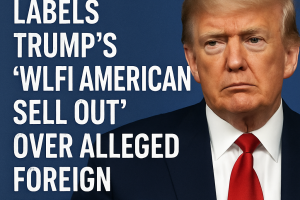
Accountable.US reported that Trump’s World Liberty Financial sold tokens to sanctioned actors, including North Korea’s Lazarus Group and Iran-linked users. Highlighted transactions included a $10,000 purchase by ‘Shryder.eth’ tied to Lazarus accounts. National security concerns were raised.
CFTC adds top crypto executives to digital asset advisory group
The CFTC appointed eight industry leaders to its Global Markets Advisory Committee and Digital Asset Markets Subcommittee on September 19. Appointees include legal and technology executives from Uniswap Labs, Chainlink Labs, Aptos Labs, JPMorgan and Franklin Templeton. The advisory group will inform regulatory frameworks for digital asset markets.
Crypto ETF ‘floodgates’ open with generic SEC listing standards
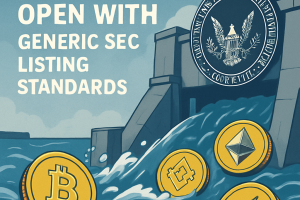
The U.S. Securities and Exchange Commission approved generic listing standards for spot crypto exchange-traded products, simplifying filings and setting the stage for a wave of new ETFs. Analysts warn that listing alone won’t guarantee significant inflows without fundamental demand.
U.S. Treasury advances GENIUS Act implementation for stablecoin regulations
The U.S. Treasury Department has initiated an advance notice of proposed rulemaking to translate the GENIUS Act into enforceable stablecoin regulations, opening a public comment period on sanctions, AML, custody and oversight.
SEC Makes Spot Crypto ETF Listing Process Easier, Approves Grayscale's Large-Cap Crypto Fund
The SEC approved generic listing standards allowing exchanges to list spot commodity-backed exchange-traded products without individual reviews, reducing barriers for digital asset funds. The rule change also greenlit Grayscale’s Digital Large Cap Fund and options tied to the Cboe Bitcoin U.S. ETF Index. Regulatory streamlining is expected to accelerate the launch of spot crypto ETPs, including potential altcoin funds.
India Maintains Cautious Stance on Crypto Amid Regulatory Ambiguity
India’s regulators continue to view cryptocurrencies with ambivalence, neither fully embracing nor banning them. The Reserve Bank emphasizes risks and household protection, while SEBI signals openness to regulation. The government’s strategy keeps crypto off formal markets but may hinder innovation.
New York Governor Enacts Moratorium on Crypto Mining Permits
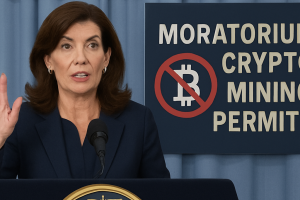
New York’s governor signed legislation imposing a two-year moratorium on new and renewed air permits for fossil fuel power plants used for proof-of-work cryptocurrency mining. The law mandates environmental reviews and aims to address climate concerns while balancing financial innovation.
US Targets Iran Military Financing in New Crypto Sanctions
The U.S. Treasury imposed fresh sanctions on individuals and entities accused of using cryptocurrency and front companies to finance Iran’s Islamic Revolutionary Guard Corps and Defense Ministry, including transfers from oil sales. The measures bar U.S. entities from dealings with sanctioned parties and aim to disrupt illicit financing networks.
Malta regulator opposes centralisation of EU crypto supervision
Malta's financial watchdog opposed calls by France, Italy and Austria to give ESMA direct oversight of major crypto firms, arguing centralisation would add bureaucracy and reduce efficiency. The MFSA supports supervisory convergence but warns against added layers amid a push to boost EU competitiveness.
Crypto taxes in India explained: key points for 2025
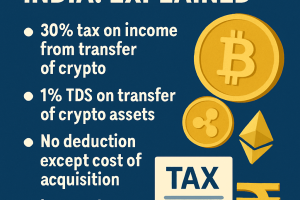
Indian law treats cryptocurrencies and NFTs as virtual digital assets under the Income Tax Act, 1961. A 30% flat tax on gains and 1% TDS on transfers apply without deductions. Mandatory reporting via Schedule VDA and strict record-keeping rules ensure compliance.
SEC chair signals preliminary notices before crypto enforcement actions
SEC Chair Paul Atkins announces shift from enforcement-first approach by promising preliminary notices for technical violations ahead of enforcement actions. Most tokens deemed non-securities and tokenized assets treated like traditional securities. Policy change aims to increase regulatory predictability.
HKMA Proposes Capital Rule Easing to Attract Crypto Business
The Hong Kong Monetary Authority released a draft proposal to reduce capital requirements for banks holding crypto assets, aligning with Singapore’s stablecoin and licensing frameworks. The plan maintains risk controls while lowering entry barriers and aims to position Hong Kong as a leading APAC digital asset hub.
Fed’s Sept.17 Rate Cut Could Spark Jitters and Long-Term Upside

Markets widely expect a 25 basis-point Fed rate cut on September 17 despite August inflation ticking up to 2.9%. Short-term volatility is possible, but easing policy may support bitcoin, gold and equities over the longer term.
‘Crypto’s Time Has Come’: SEC Chair Outlines Vision for On-Chain Markets and Agentic Finance

SEC Chair Paul Atkins outlined Project Crypto at an OECD forum, pledging clear, unified rules for token issuance, custody, trading, and staking, with bright-line asset classifications and frameworks for tokenized securities to modernize securities laws and support on-chain markets.
Bitcoin giant Strategy dodges lawsuit alleging accounting wrongs
Digital asset treasury firm Strategy successfully had a lawsuit alleging accounting misstatements dismissed. The suit claimed the company failed to properly account for crypto holdings, but a court found no evidence of investor harm or regulatory breach.
Belarus President Backs Crypto and Cash Adoption to Navigate Sanctions
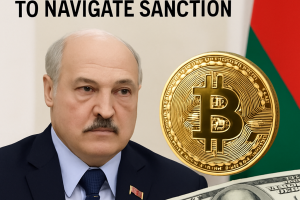
Belarusian President Aleksandr Lukashenko urged adoption of cryptocurrency and cash payments amid international sanctions. Regulatory oversight for crypto market and instant payment rollout were emphasized. Criticism targeted banks’ practices and de-dollarization strategy.
Time to Put a Digital Euro Ahead of Bank Interests
ECB is accelerating plans for a digital euro to counter growing U.S. dollar stablecoins and preserve monetary sovereignty amid declining cash usage. Proposed measures include standalone digital wallets and reconsidered holding limits to ensure public adoption without harming bank deposits.
Senate Democrats Unveil Bipartisan Crypto Market Structure Framework
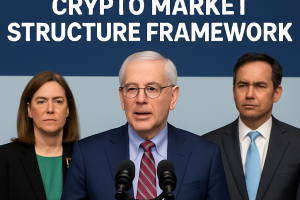
A group of 12 Senate Democrats released a detailed framework on Sep 9, 2025 for bipartisan crypto market structure legislation. The proposal outlines seven pillars, including illicit finance safeguards, spot market clarity, and enhanced SEC/CFTC coordination.
Stablecoins Fuel Treasury Demand Amid Federal Liquidity Focus
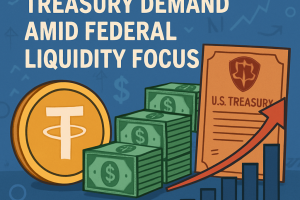
Stablecoins have emerged as efficient liquidity channels for U.S. Treasury operations, enabling instant settlement and transparency. Their integration into corporate and government treasuries is reshaping funding strategies, as traditional bank settlement systems face modernization pressures.
Putin adviser claims US using stablecoins, gold to devalue its $37T debt
An adviser to President Putin asserted that the United States is using stablecoins and gold to devalue its $37 trillion national debt by shifting obligations onto alternative currency platforms. The claim was made at the Eastern Economic Forum without detailed mechanism explanation.
Kazakhstan president proposes national crypto reserve and digital asset law by 2026
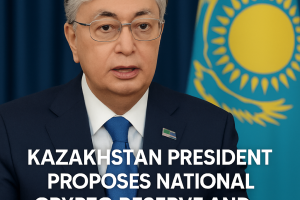
Kazakhstan president Kassym-Jomart Tokayev called for creation of a state digital asset fund under the national bank's investment arm and drafting of comprehensive crypto legislation before 2026. Plans include establishing a pilot ‘CryptoCity’ in Alatau. The proposals aim to formalize digital assets within the national financial framework.
Nasdaq Seeks Nod From U.S. SEC to Tokenize Stocks
Nasdaq filed a proposal with the U.S. SEC to permit on-chain trading of tokenized equities alongside traditional shares. The move aims to integrate real-world asset tokenization into regulated markets with the same execution priority as legacy trading.
Senate Crypto Bill Clarifies Tokenized Stocks as Securities
The US Senate updated its crypto market structure bill by adding a clause to explicitly classify tokenized stocks under existing securities law. The amendment ensures on-chain stock representations are subject to SEC oversight, maintaining regulatory consistency and investor protections for tokenized assets.
FBOT framework deemed ill-suited for crypto exchanges
CFTC guidance clarified that the FBOT framework’s legacy settlement and clearing requirements are incompatible with offshore crypto exchanges serving U.S. clients. Licensed futures commission exchanges only qualify, leaving many platforms unable to meet stringent regulatory demands.
Belarus President Pushes Transparent Rules to Attract Crypto Investors
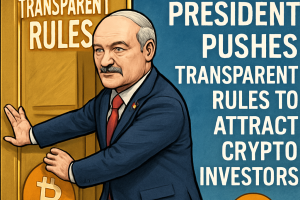
Belarus President Aleksandr Lukashenko urged regulators to finalize long-delayed crypto regulations, aiming to balance investor protections with the nation’s ambition to be a crypto-friendly hub. He cited inspection findings of platform violations and urged oversight that preserves a 'digital haven.'
Clarity Act Bill Draft Emerges in Senate Banking Committee
A new draft of the Digital Asset Market Clarity Act circulated to Senate Banking Committee members on September 5. The text includes enhanced developer protections, RWA tokenization studies, and bankruptcy provisions for digital assets. Stakeholder feedback is ongoing.
Crypto Exchange Bullish's European Arm Wins MiCA License in Germany

Bullish's European subsidiary obtained a Markets in Crypto-Assets (MiCA) license from Germany's financial regulator BaFin, enabling passporting of its services across the EU. The firm had previously secured brokerage and custody approvals and now aims to expand its regulated footprint.
SEC, CFTC Chiefs Say Crypto Turf Wars Over as Agencies Move Ahead on Joint Work
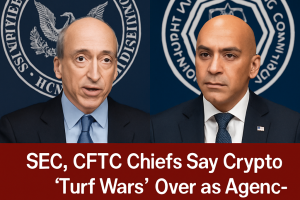
The SEC and CFTC chairs affirmed collaborative regulatory efforts, announcing a joint roundtable on September 29 to address DeFi, prediction markets and 24/7 trading. The agencies pledged greater harmonization to attract crypto innovators and modernize oversight.
Investigators find no fraud in Cardano’s decade-old voucher initiative

A forensic report by McDermott Will & Emery and BDO commissioned by Input Output found no evidence of insider fraud in Cardano’s 2017 ADA voucher program. The study confirmed 99.7% of vouchers were redeemed and only 14 remain unclaimed. Allegations of misconduct were deemed baseless.
XRP Army Credited with Influencing Ripple SEC Case
Ripple’s four-year legal battle with the US SEC concluded with a mixed ruling this August. The judge and Ripple’s lawyers acknowledged research and filings by the XRP Army as key influences in the case outcome. XRP price spiked after the decision and later stabilized around $2.85.